
How to keep a platform programme in control
The habits that keep Salesforce, ServiceNow and AWS programmes on track when plans change. A six-minute read.
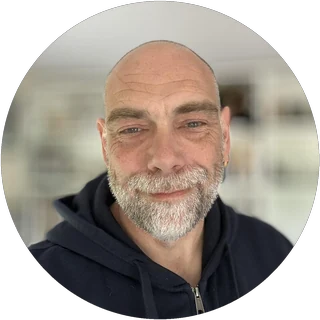
By Toby Sheward, VP Delivery
Every platform programme changes along the way. Requirements grow, priorities shift and people move on. That is normal. What matters is whether the programme stays in control while it happens.
I spent nearly 20 years at Salesforce, latterly as Senior Director of Global Delivery Governance, and I now lead delivery across every Phoenix engagement. This guide sets out the habits that make the difference, so you can apply them to your own programme, whoever delivers it.
1. Why programmes lose control
Programmes rarely fail in one dramatic moment. They drift. Three patterns cause most of it.
- Scope creeps in quietly. Small requests are agreed in passing, each one reasonable on its own. Together they move the finish line, and nobody decided to move it.
- Bad news arrives late. A risk is spotted, but no one wants to raise it until there is a fix. By the time it reaches the sponsor, the options have narrowed.
- No one owns the whole picture. Vendor, partner and in-house teams each manage their own part. The gaps between them belong to nobody.
The good news is that each of these has a simple, practical answer.
2. Agree the problem before you solve it
The cheapest place to fix a programme is before it starts. Before anyone recommends a solution, write the problem down in plain language: what is not working, who it affects and what success would look like.
Then play it back to the people who own the problem and ask them to sign it off. It takes days rather than weeks, and it brings disagreements to the surface while they are still easy to resolve.
At Phoenix, we make no recommendations until the client has signed off our playback. It sounds simple, and it is an easy step to skip under time pressure.
3. Give the programme one senior lead
Every programme needs one person who owns delivery from end to end. They need to be senior enough to make decisions, close enough to the detail to spot problems early, and available to you directly.
That person should be named from the first meeting and stay for the life of the programme. When the people who shaped the work step away once it is signed, knowledge and accountability go with them.
Ask any supplier two questions: who exactly will lead our programme, and will we be able to reach them?
4. Make progress easy to see
Control depends on everyone seeing the same picture. Three things make that possible.
- A weekly status update you can read in two minutes. Progress, next steps, decisions needed and anything off track, on one page. If it takes longer to read, the important points get lost.
- A live risk and issue log. Shared, current and reviewed every week, with an owner and a next action against every item.
- Budget burn against forecast. What the programme has spent, alongside what it expects to spend to finish. A widening gap is an early warning, and early warnings give you choices.
Bad news should travel fastest. Make it safe and normal to raise a risk on the day it is spotted.
5. Agree changes before they happen
Change is part of every programme. The risk comes from change that nobody agreed. A simple process for new requests keeps it in check:
- Capture the request in writing.
- Assess the impact on scope, cost, timeline and risk.
- Decide together, with the right person signing it off.
- Update the plan, so everyone works to the same version.
For a small change, this can take minutes. The point is that nothing changes by accident. This is what we mean by Faultless delivery: plans can change, and we stay in control.
6. Steer at your organisation’s rhythm
Steering meetings are for decisions. Send the status update beforehand, then use the time for the choices only the steering group can make: priorities, trade-offs and changes.
Meet at a rhythm that suits your organisation, more often during critical phases and less often when things are steady. Keep a short record of every decision and who made it.
7. Plan for after go-live from the start
Go-live is a milestone on the way. Users find new needs, the business changes and the platform needs care.
Decide early who will support and improve the platform afterwards. When the people who built it stay with you, the knowledge stays with you too, and the next phase starts at full speed.
8. Ten questions to test your programme
- Has the problem been written down and signed off by the people who own it?
- Is there one named senior lead, and can you reach them directly?
- Do you get a status update you can read in two minutes?
- Is there a live risk and issue log, with an owner against every item?
- Can you see budget burn against the forecast to finish?
- Is every scope change agreed in writing before work starts on it?
- Does everyone work to the same version of the plan?
- Do steering meetings end with clear decisions?
- Is there a record of who decided what, and when?
- Is there a plan for who supports and improves the platform after go-live?
If you answered no to more than two, your programme may be drifting. The fixes are rarely complicated, and the earlier you make them, the easier they are.
If you would like a second opinion on a programme, I am always happy to talk.
Toby Sheward, VP Delivery, Phoenix Consulting
Want a second opinion on your programme?
Book 30 minutes with a senior consultant to talk it through.